
Red Sea Cable Cut Fears Rise Amid US-Iran War: Will Internet Disruptions Impact India?
However, with the US-Iran war escalating daily, the fear of a severe internet outage has increased, especially with the Houthis joining the fight.

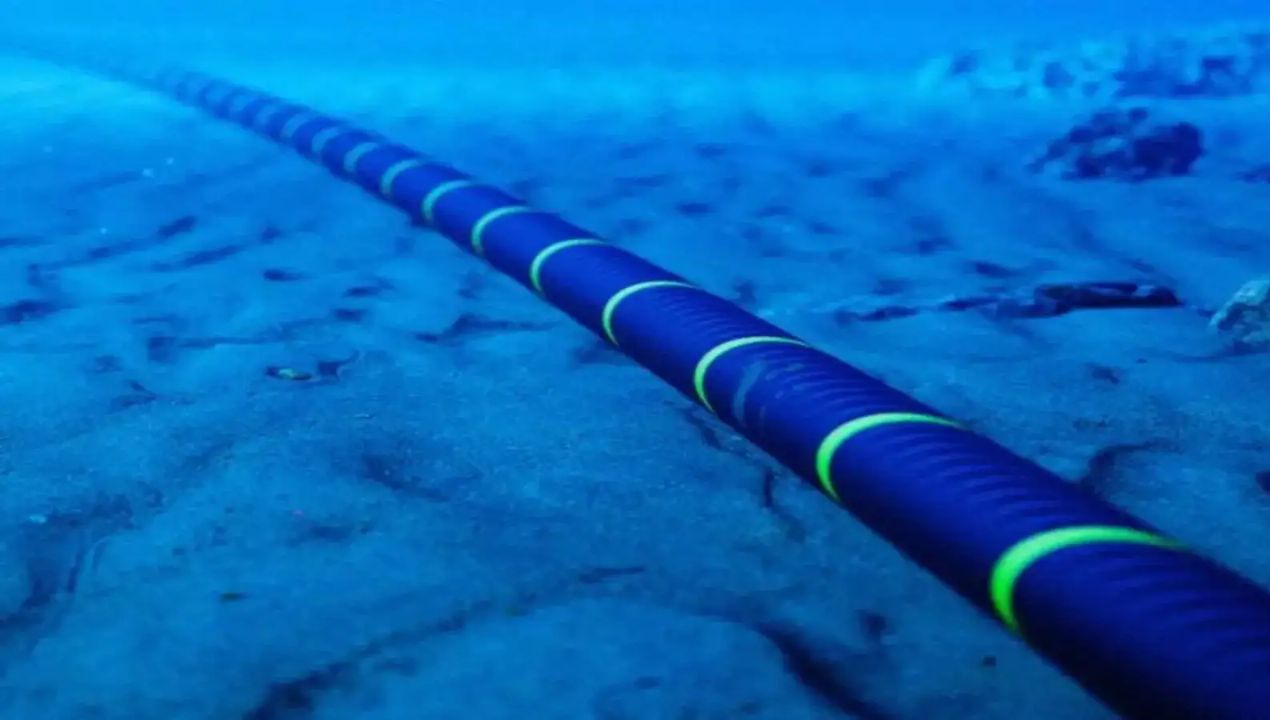
The ongoing war in West Asia has everyone on edge, especially when it comes to the threat of internet blackouts. People are worried the fighting could lead to cuts in those underwater Red Sea cables. Iran hasn’t officially said they’ll cut the submarine communication lines, but plenty of folks on X are sounding alarms as tensions between the US, Israel, and Iran heat up.
Last time this happened was back in September 2025. A commercial ship messed up—dragged its anchor and ended up severing several of the undersea fiber optic cables. That incident threw internet service into chaos, especially across West and South Asia.
Now, with the US-Iran conflict getting uglier by the day, those worries are growing. The situation isn’t helped by the Houthis, the Yemeni militants backed by Iran, jumping into the fray. They’ve gone on social media more than once, threatening to cut the Red Sea fiber cables themselves.
It’s not some distant possibility anymore—an attack from the Houthis on the cables feels like it could happen any day.
Here’s why people care so much. According to the International Cable Protection Committee, that September 2025 accident damaged four big cables: South East Asia–Middle East–Western Europe 4, the India-Middle East–Western Europe cable, FALCON GCX, and Europe India Gateway. John Wrottesley from ICPC told the Associated Press last year that dragged anchors aren’t rare—they cause about 30% of cable incidents each year, leading to about 60 faults. But in a war zone, intentional sabotage.
What would a cut in the Red Sea mean for India?
India was also affected by the September 2025 incident. While internet services did not come to a halt, major networks across India faced outages and latency.
Given India's growing reliance on cloud services, digital payments, and AI devices, any damage to cables in the Red Sea could hamper connectivity and lead to major economic consequences for the nation.
Nearly 95 percent of global international data flows through these undersea cables. Of this, India currently hosts 17 such cables across 14 landing stations in Mumbai, Chennai, Cochin, Tuticorin, and Trivandrum.
India remains prone to congestion and performance issues on the internet due to the conflict in West Asia, and with the Red Sea and Strait of Hormuz remaining risky zones.
Furthermore, India’s internet traffic remains unevenly distributed, with about two-thirds routed through Mumbai and the rest through Chennai, which could serve as a weak point for the country.
If anything were to go wrong at Mumbai or Chennai, be it natural disaster or a technical failure, a large portion of the country would see disruptions in connectivity.
Also Read: Bihar Techie Secures ₹28 LPA Job at Intel, Credits Mother’s Sacrifices for Success
For breaking news and live news updates, like us on Facebook or follow us on Twitter and Instagram. Read more on Latest World News on The National Bulletin
